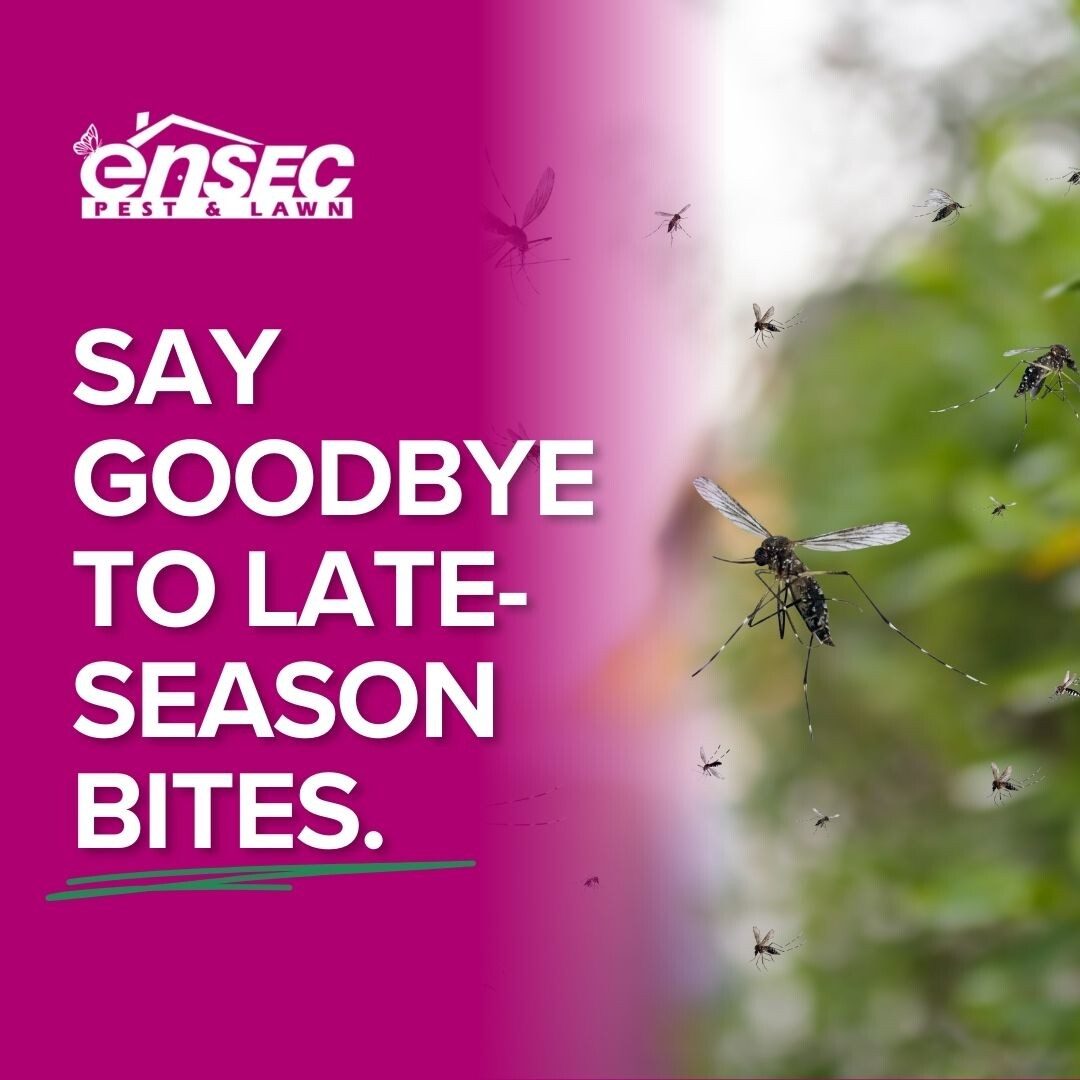
With our warm, humid climate, the Gulf Coast is prime mosquito territory. As temperatures rise above 50°F consistently, mosquito activity ramps up quickly. Here's what you need to know to protect your family this season.
Our combination of warm temperatures, high humidity, and abundant standing water from frequent rain creates ideal breeding conditions. Northwest Florida and Coastal Alabama are home to over 80 mosquito species, including the Asian Tiger mosquito and several species capable of transmitting diseases.
While most mosquito bites are just itchy and annoying, some species can transmit serious diseases including West Nile Virus, Eastern Equine Encephalitis, and Zika. The Florida Department of Health regularly monitors mosquito populations and disease activity across the Panhandle.
The most effective approach combines eliminating breeding sites with professional barrier treatments. Walk your property weekly and dump any standing water — flower pot saucers, bird baths, clogged gutters, kids' toys, and old tires are common culprits. A single bottle cap of water can breed hundreds of mosquitoes.
EnSec's monthly mosquito reduction program treats your entire yard with a residual barrier spray that targets adult mosquitoes in their resting areas. We also treat standing water sources with larvicide and provide recommendations for reducing breeding habitat on your property.
Ready to enjoy your yard again? Call EnSec at 850-821-2215 for a free mosquito assessment.
Mosquito season runs roughly March through November, ramping up once temperatures stay above 50°F consistently and peaking in the warm, wet months.
Dump standing water weekly — saucers, bird baths, clogged gutters, toys, and old tires — and pair that with professional barrier treatments on the shady areas where adults rest.
Some local species can transmit West Nile Virus, Eastern Equine Encephalitis, and Zika, which is why the Florida Department of Health monitors mosquito populations across the Panhandle.
A monthly residual barrier spray targets adult mosquitoes where they rest, while larvicide treats standing water. EnSec also recommends habitat changes to reduce breeding sites.
EnSec Pest & Lawn has been protecting Gulf Coast homes since 1997. Get a free estimate today.
